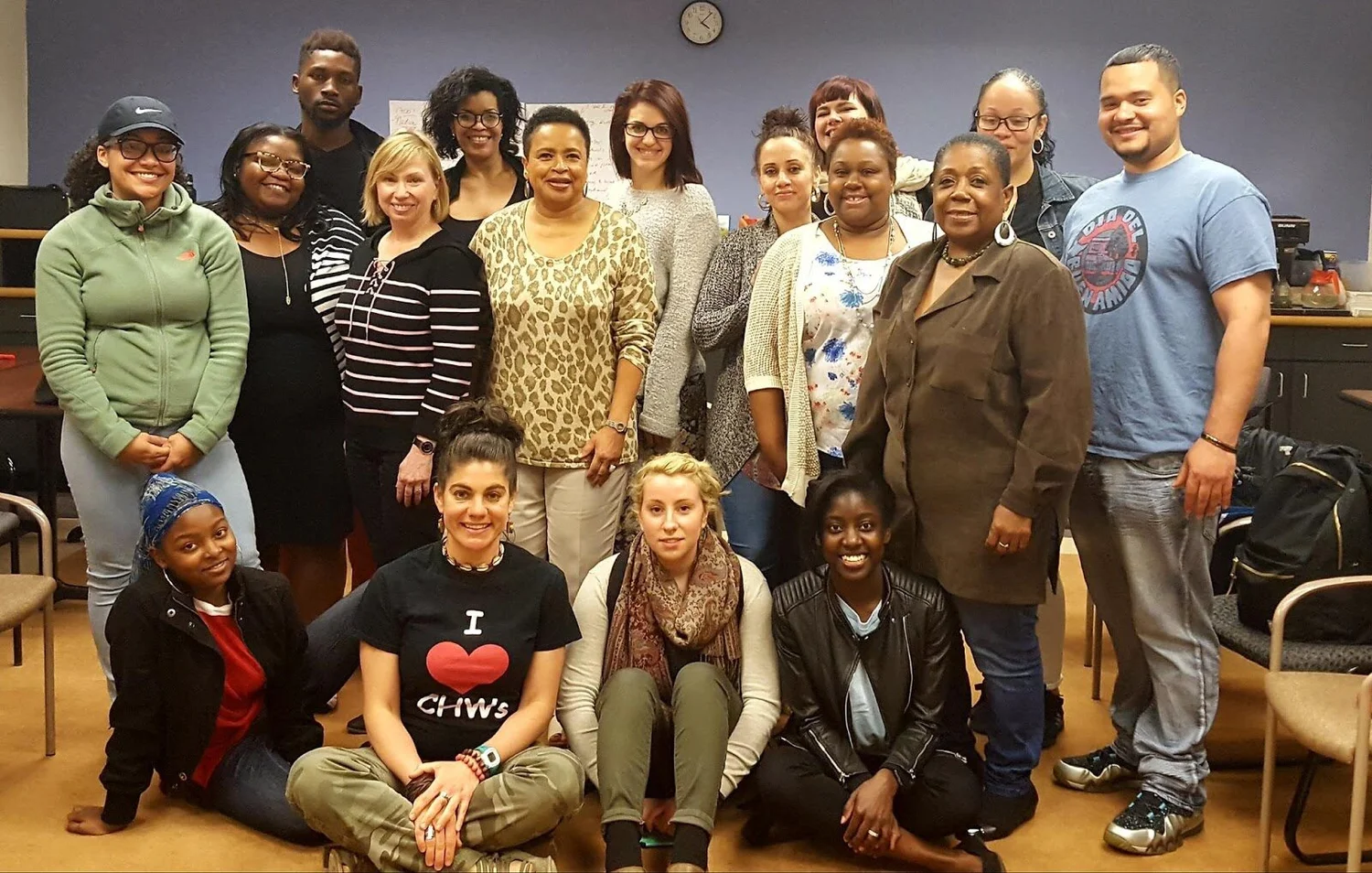


Community Health Worker Network of Buffalo
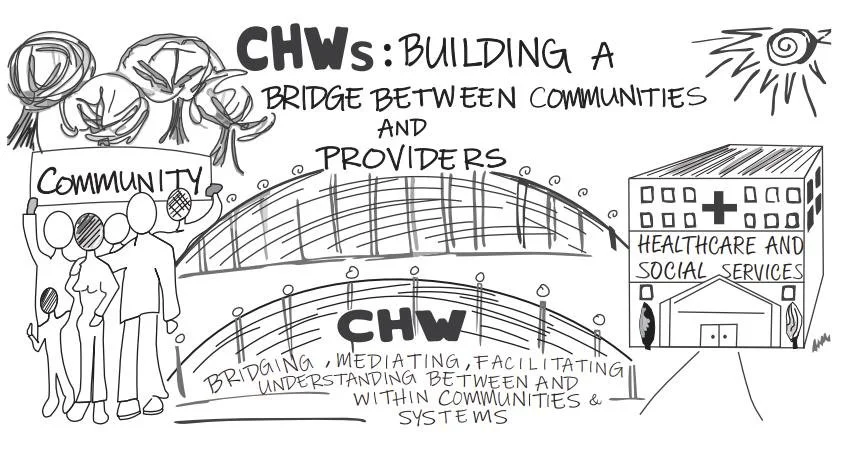
Community Health Workers (CHWs) are OF and FROM the communities they serve- and understand the unique needs and assets of their specific community. We train, support, and mobilize CHWs across Buffalo and Western NY and work with CHW employers and partners to improve access, equity, and cultural responsiveness of health, human service, and education systems.
What is a CHW?
"A community health worker is a frontline public health worker who is a trusted member of and/or has an unusually close understanding of the community served — serving as a liaison between health/social services and the community."
— American Public Health Association
What do CHWs do?
CHWs build individual and community capacity through outreach, community education, informal counseling, social support and advocacy — leveraging lived experience to build community health and power.
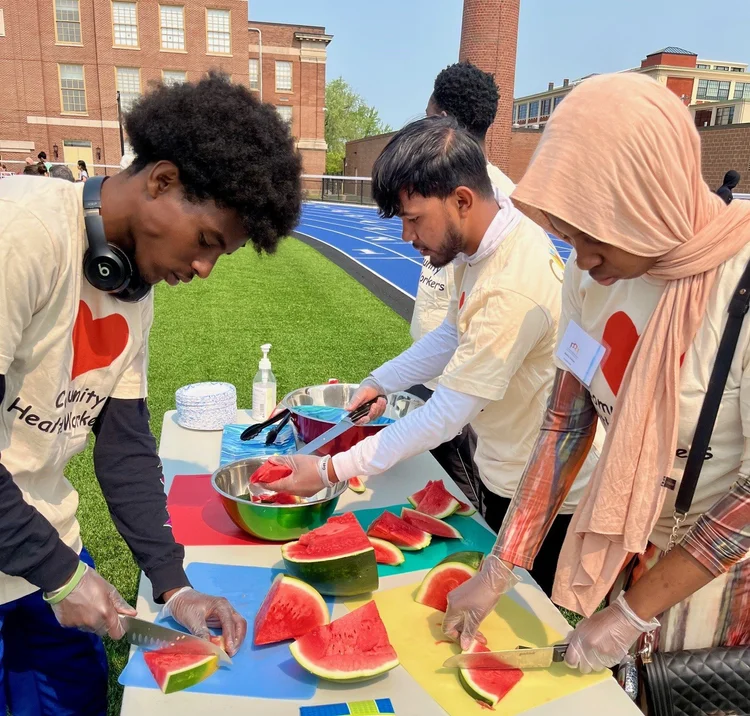
Common Questions about CHWs
- Cultural Mediation Among Individuals, Communities, and Health and Social Service Systems
- Providing Culturally Appropriate Health Education and Information
- Care Coordination, Case Management, and System Navigation
- Providing Coaching and Support
- Advocating for Individuals and Communities
- Building Individual and Community Capacity
- Providing Direct Service
- Implementing Individual and Community Assessments
- Conducting Outreach
- Participating in Evaluation and Research
- Community Health Worker
- Outreach Worker
- Service Coordinator
- Case Manager
- Community Educator
- Advocate
- Community Engagement Coordinator
- Patient Navigator
- Counselor
- Youth Coordinator
- Parent Facilitator
- Peer Educator
What is the impact of CHWs?
"One of my first clients was a teenage mother... I helped the mother get diapers, clothes, and a bassinet. She told me that I had given her something bigger than the 'stuff' — I had given her hope."— Nadia Pizzaro, CHW
"You made me feel like a human again for the first time in a long time."— John, Matt Urban Hope Center client
"The impact of parents and students creating a healthier school environment in our District cannot be underestimated."— Assunta Ventresca, Former Director of Health Related Services, Buffalo Public Schools